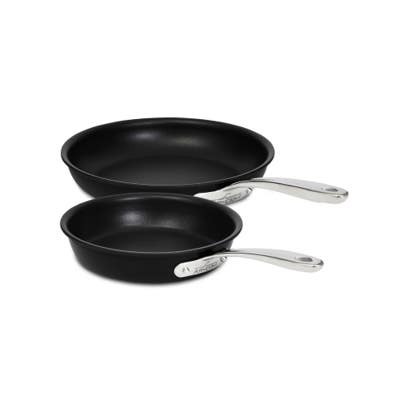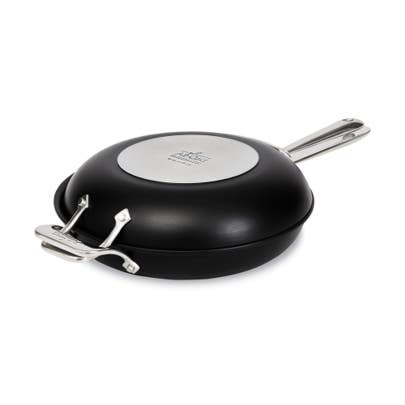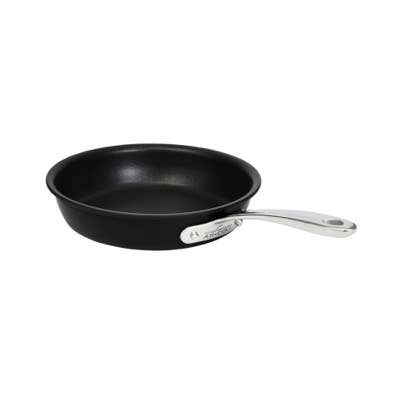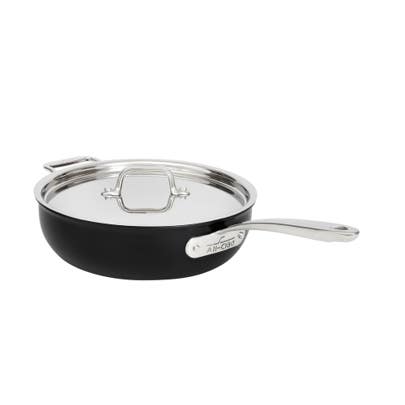

Fry Pans & Skillets
Skillets & Frying Pans: Premium Performance for Every Kitchen
Explore the world of culinary excellence with our range of fry pans and skillets. Ideal for a variety of cooking styles, from searing to sautéing, our products are a must-have in every kitchen. Experience the difference that a top-quality stainless steel pan can make, whether you're frying salmon, steak, or scallops. Our collection includes classic sets, chef's favorites, and the best non-stick cookware. Discover your perfect fry pan today and elevate your cooking to new heights.
A great skillet is the pan you reach for most: whether you call it a skillet, a frying pan, or your favorite skillet pan for quick weeknight meals. All-Clad skillets are designed for cooks who want reliable performance: better browning, steadier heat, and confidence from the first flip to the final sauce.
What is the Difference Between Frying Pans and Skillets?
The terms frying pan and skillet are often used interchangeably, and in most modern kitchens, they refer to the same essential piece of cookware.
Traditionally, a frying pan features gently sloped sides and a flat base, making it ideal for quick-cooking techniques like sautéing vegetables, frying eggs, or searing fish. A skillet may sometimes be described as having slightly deeper, more vertical sides — a design that can offer added capacity for larger portions or recipes that include pan sauces and reductions.
The best choice comes down to what you cook most: quick flips (sloped sides) vs more capacity and versatility (slightly higher sides). What matters most is the performance of the pan itself: even heat distribution, a stable base, and a comfortable, balanced handle.
Whether labeled a stainless steel skillet or a nonstick frying pan, the right design should give you control, versatility, and consistent results across a wide range of techniques.
Which Type of Frying Pan Is Best? Stainless Steel, Nonstick, or Ceramic Skillets
The best frying pan depends on how you cook, what you cook, and the level of control you want in the process. Each material offers distinct advantages designed to support different techniques and preferences.
Stainless Steel Frying Pans: for Searing and Control
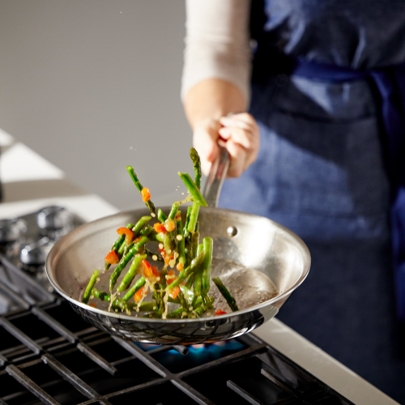
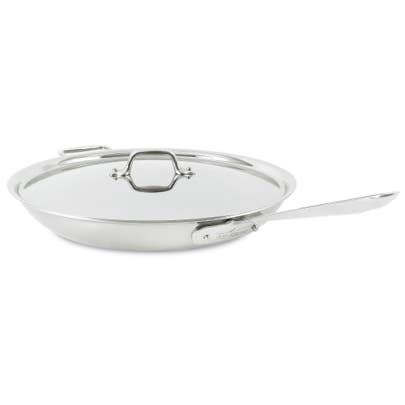
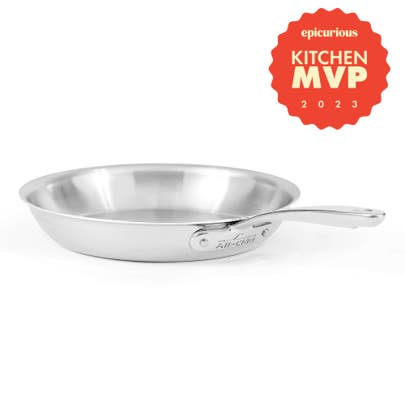
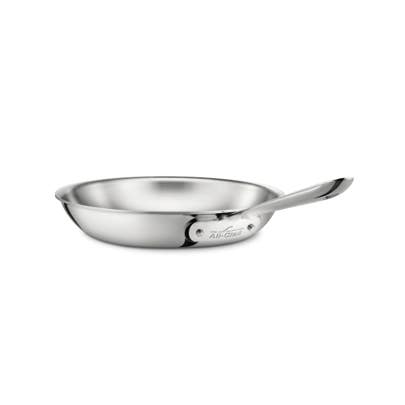
Stainless steel skillets are a favorite for cooks who value precision and performance. Their bonded construction delivers even heat from base to rim, making them ideal for high-heat searing, developing rich browning, and building pan sauces. If you regularly cook steak, salmon, scallops, or sautéed vegetables that benefit from caramelization, stainless steel pans offer exceptional responsiveness and versatility across all cooktops, including induction, and are versatile enough for everything from sautéing to finishing in the oven. If you are looking for the best frying pan for technique - searing, deglazing, and pan sauces - stainless is often the top pick.
Nonstick Fry Pans: for Easy Release and Quick Cleanup
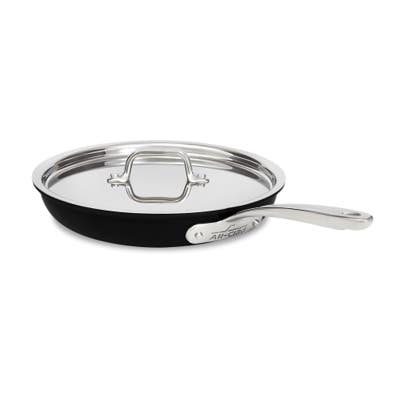
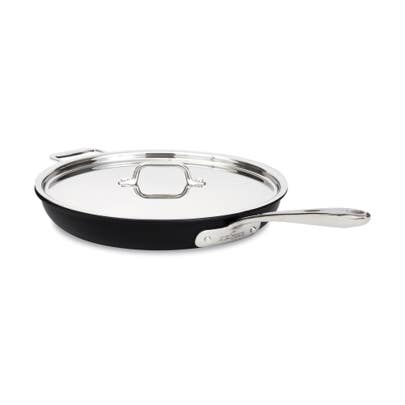
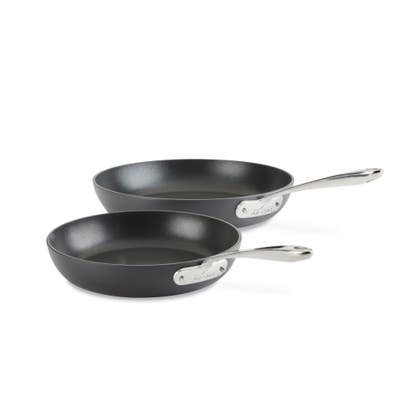
Traditional nonstick skillets are an everyday essential, and shine when effortless release matters most. They’re especially helpful for delicate foods like eggs, pancakes, and flaky fish. Nonstick frying pans make flipping easier, support low-oil cooking, and simplify cleanup, which is why many people consider them the best frying pan choice for busy weeknights. To keep nonstick performing its best, use low-to-medium heat, stick to wooden/silicone utensils, let the pan cool before rinsing, and hand-wash with warm soapy water to help protect the coating over time.
Ceramic Nonstick Fry Pans & Skillets: for Everyday Cooking
Ceramic frying pans offer another smooth-release option with a refined feel. They’re well-suited for lighter dishes, vegetables, and proteins cooked at moderate heat. For home cooks who prioritize easy handling and straightforward maintenance, ceramic provides a dependable, user-friendly experience.
Rather than asking which type is universally “best,” consider which pan complements your cooking style. Many home chefs find that a combination — such as a stainless steel skillet for searing and a nonstick or ceramic pan for delicate tasks — creates a well-rounded, high-performing kitchen.
What Frying Pans Do Chefs Prefer?
Professional chefs choose cookware that responds predictably, performs consistently, and feels balanced in the hand — because every detail matters when you’re cooking under pressure.
In many kitchens, chefs gravitate toward stainless steel skillets for their versatility and heat control. These pans develop rich sears on meats, allow precise temperature adjustments, and build deep flavor through fond — the caramelized bits that form on the pan’s surface. A well-made stainless steel pan becomes an extension of the chef’s technique, whether working the stovetop or finishing a sauce.
For tasks that call for gentle handling, like cooking eggs, crepes, or delicate fish, chefs may reach for nonstick or ceramic frying pans. These surfaces make it easy to slide food off the pan cleanly and consistently, which is especially useful during high-volume service or busy prep work. The ease of release also contributes to smooth execution and repeatable results.
Ultimately, what professional cooks prefer depends on the job at hand. Many chefs keep both sturdy stainless steel skillets and reliable nonstick or ceramic pans within reach so they can choose the ideal tool for each recipe. In a well-stocked kitchen, each pan has a purpose — and a place.
Why Lids Matter: Enhancing Flavor, Control, and Efficiency
A well-fitted lid can transform how a fry pan or skillet performs. By trapping heat and moisture, it creates a more controlled cooking environment — one that supports even results and greater consistency.
When simmering sauces, finishing grains, or cooking proteins with a gentle sear, a lid helps retain moisture and concentrate flavor. It minimizes evaporation, preserving the texture and structure of your dish while allowing ingredients to cook more uniformly. For recipes that require steady heat, this added control can make a noticeable difference.
Cooking with a lid can also improve efficiency. By capturing steam and heat, it often reduces overall cooking time and supports energy-conscious cooking without sacrificing performance.
That said, lids aren’t always necessary. For techniques that rely on browning and crisping — such as searing or shallow frying — leaving the pan uncovered allows moisture to escape and encourages proper caramelization. Knowing when to cover and when to uncover is part of mastering your pan and achieving the results you want.
Frying Pan Sizes & Sets: Build a Smart Skillet Lineup For Your Cooking Style
Choosing the right fry pan size can dramatically improve how you cook. The surface area of your pan affects browning, portion control, and overall efficiency — giving ingredients the space they need to cook evenly.
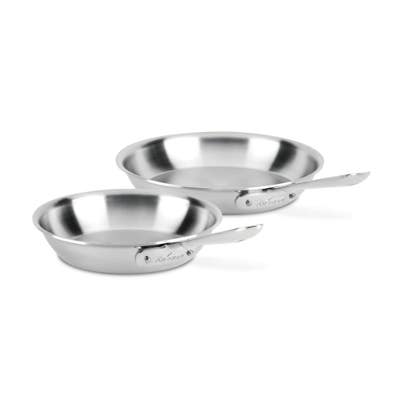
An 8-inch fry pan is ideal for single servings, eggs, and smaller dishes. A 10-inch pan offers everyday versatility, comfortably handling two to three portions and most weeknight meals. For family dinners or entertaining, a 12-inch skillet provides generous cooking space for multiple proteins or larger batches of vegetables. When cooking for a crowd, a 14-inch pan allows you to work in volume without overcrowding the surface.
If you frequently prepare a variety of dishes, a thoughtfully selected frying pan set can offer flexibility and convenience. Having multiple sizes on hand means you can match the pan to the recipe — whether you’re making a quick breakfast, building a pan sauce, or searing several steaks at once.
If you want the most practical setup, start with:
- One stainless skillet (10” or 12”) for searing, browning, and sauces.
- One nonstick frying pan (8” or 10”) for eggs, fish, and everyday ease.
Frequently Asked Questions:
What size skillet should I buy first?
A 10-inch skillet is the most versatile for everyday cooking. Go 12-inch if you cook for a family or love high-heat searing; go 8-inch for eggs and small portions.
What is the best frying pan material: stainless or nonstick?
Stainless is best for browning and pan sauces; nonstick is best for eggs, fish, and easy cleanup. Many kitchens use both.
How do I stop food from sticking in a stainless steel pan?
Preheat, add oil, then let proteins sear until they release naturally. Don’t move food too early; control heat instead.
Are All-Clad skillets induction compatible and oven safe?
Many are, but it varies by product/collection - confirm induction compatibility and oven limits on each product page.
How do I clean a frying pan without damaging it?
Use warm soapy water and a soft sponge for daily cleaning. For stuck-on bits, soak first and use gentle methods; avoid harsh abrasives (especially on nonstick)."